 The pace of change driven by consumers is the greatest challenge facing funeral service. No option has fallen off the menu, and yet more options pop up each year. How is it possible to create or reposition a business to fulfill these diverse requests? The 70 practitioners, suppliers and explorers who convened in Albuquerque in October 2019 for the First Ever Green Funeral Conference were up for the challenge. Their interactive and engaging experience is challenging to reproduce in a blog post, but there is too much great content not to share. Passages International was the obvious sponsor for this Conference. However, some potential speakers and participants and social media commenters—and even members of the media—weren’t so sure why CANA was hosting. Cremation is widely considered to be more environmentally friendly than traditional burial, but where does it fit on the continuum of green funeral practices? That is the kind of conversation I like to start. CANA doesn't shy away from hard questions, or from asking those questions of itself. We're proud to provide the space to have these frank discussions and attract the right voices to contribute. set the stageSince this was the first conference of its kind created for funeral directors and cemeterians, it was important to establish context and the intention to be inclusive in our definition of green practices. I will attempt to follow the flow of the conference in this post. Glenda Stansbury served as our emcee and she set the stage from the beginning, establishing that this conference was an exploration of green practices along a continuum. In that spirit, I invite you, dear reader, to identify where you are on that continuum. Are you a light spring green with plenty of traditional burial and cremation offerings? Or maybe you offer eco-friendly products, but want to promote more family participation and natural burial? Are you a deep forest green and all in? This post is an opportunity to learn more about the Conference content and how it may apply to your business and community. Ed Bixby, owner of Steelmantown Green Burial Preserve and President of the Green Burial Council, kicked off the Conference with a presentation describing the wide range of green burial practices he employs in his cemeteries and has seen around the world. He challenged the audience to recognize that the spectrum includes traditional burial as well as established businesses seeking greener practices—including cremation. Yes, the attraction of green burial is related to environmental concerns, but it also appeals because it is simpler, involves less fanfare, and facilitates enhanced participation from mourners. Ed said, “Participation changes everything. You have the right to care for the dead the way you feel they should be cared for.” He challenged us—and I extend the challenge to you—to shift the mindset. You can work within regulations and laws, but you can reconceive the services you offer to families. In CANA language, "find a way to get to yes for your families." During Ed's presentation, the topic of embalming came up. Why are embalmed bodies excluded from green cemeteries? Is this based on science or policy? Embalmers in the room shared why embalming remains an important tool for some families, but others expressed the belief that preserved bodies had no place in a green cemetery. While no consensus was reached, it was refreshing to hear so many opinions and suggestions respectfully discussed. However, many questions remained unresolved:
Next, Darren Crouch and Kilian Rempen of Passages International joined the conversation by discussing green products and marketing tactics to help businesses remain relevant and profitable. In the 20 years since Darren founded Passages International, he has learned many lessons. His customers are serving families that value green, but also unique and beautiful options. Darren asserted that the challenge of incorporating green options into businesses should feel familiar. It is similar to the challenge of embracing cremation 30 years ago. It was once controversial to add cremation to the sign in front of your funeral home and commonplace for funeral directors to send the rare cremation customer down the street to the cremation society. Ignoring cremation didn’t turn out well for funeral service, so Darren challenges funeral practitioners to not repeat past mistakes. Darren offered practical advice, such as offering scatter-friendly urns for the 50% of your cremation customers who intend to scatter. He argues that scattering does not equal low-end, but rather that an urn that contains cremated remains for a time can be used as art or to hold keepsakes after scattering. Darren echoed Ed’s message of changing your mindset to envision new offerings. put it into practiceOnce attendees considered the various aspects of green funeral practices and started to plot their positions along the continuum, they heard from cemeterians and a funeral director who have added them to their operations. Jody Herrington described her success in converting funeral home selection rooms to include green merchandise. She acknowledged how overwhelming it seems to offer yet more options in an already crowded space. Jody shared that her success was directly linked to the communities she has served and their green values. Incorporating local artists along with eco-friendly products and more familiar caskets can be appealing, but every community is unique. You know the communities you serve and should reflect that knowledge. Jody posed a challenging question for me to hear – Is cremation a fall back? At this point some of you are probably nodding your heads in recognition, but I didn’t get it at first. Jody asserted that when faced with traditional burial caskets and merchandise, some consumers know they don’t want that so they fall back to cremation. Her experience showed that offering more eco-friendly merchandise and caskets resulted in more personalization and more sales to a satisfied customer. This leads me to wonder if green burial will slow the cremation rate increases we have seen. Only time will tell. Our practitioner panel featured Donal Key and Linda Canyon of La Puerta Natural Burial Ground, Gracie Griffin of Bellefontaine Cemetery, Salvador Perches of Grupo Perches and Recinto de la Oracion, Ed Bixby, and Jody Herrington—continuing the conversation around green burial practices and tips for creating and offering green options in existing cemeteries. It is impossible to summarize the rich content generated by the discussion between panelists as well as with participants. Each panelist shared specific examples of practices they employ to promote participation and innovate new traditions. The questions from participants did touch on business models, pricing, training and incenting employees to dig graves and assist families to dress their loved ones. The key takeaway is that you can get to yes with families. It may take more time and creativity, but you can and should do it. Next up was Tanya Marsh, a professor at Wake Forest University School of Law, who examined the legal trends surrounding green burials and green cemeteries. Tanya presented a framework for understanding green funeral trends. She started by sharing the macro trend of consumers looking for more control and input while also seeking authenticity and a meaningful experience. This is a trend influencing all aspects of our lives. And it poses a challenge for funeral directors and cemeterians who are typically risk-adverse. Tanya outlined considerations to take into account when considering something new – i.e., natural burial or a new disposition.
The example she gave was natural organic reduction, commonly referred to as human composting. Washington state law explicitly stated that burial, cremation and removal from the state were the legal forms of disposition. This meant they needed to change the law in order to pave the way for a new form of disposition. In states that don’t affirmatively identify the forms of disposition, a court order or opinion from the board or attorney general may pave the way. Tanya led a free-wheeling Q&A session that touched on grave reusage, family participation, disinterments, indigent cremations, and what happens when cemeteries are abandoned. consumer insightsThe last sessions focused on consumers’ experiences and insights. Gail Rubin shared her perspective on consumer views of death and mourning and emphasized the ongoing theme of promoting participation and education. I moderated two manufacturer panels—Luis Llorens of US Cremation Equipment and Paul Seyler of Matthews Environmental discussed the environmental impact of cremation and made presentations on the macro and micro impacts of cremation on the environment. This warrants its own blog post and one is in the works for publication in 2020. Stay tuned! A second panel, with Sam Sieber of Bio-Response Solutions and Nicki Mikolai of Resomation America, discussed the science and practical application of alkaline hydrolysis. There was significant interest in alkaline hydrolysis among the participants, with some current and future practitioners represented. The questions from participants ranged from inquiries about the fundamental science, presence of radiation and mercury, to viewings and zoning challenges. Legally, alkaline hydrolysis is considered to be cremation, but the process that occurs in the machine is completely different than flame-based cremation. Does that make it greener? That depends on the formula that is used. Is there a lower carbon footprint? Yes—or probably. Fewer fossil fuels are used to heat the water or dry the remains, but water and chemicals are used—so how does one account for that in the green calculation? While more questions were raised than answered on the overall environmental impact of all dispositions, Sam did point participants to an important a recent study conducted in the Netherlands by Elisabeth Keijzer, who attempted to calculate the true costs of different types of disposition. Sam presents a useful framework for understanding the various environmental impacts and “shadow costs” discussed in the study. Consumers are significantly ahead of funeral directors and cemeterians in seeking, performing and creating greener end-of-life options, so this conference represented an opportunity to engage in facilitated conversation, query panel presenters, and learn from leading experts. All walked away with practical ideas to implement now, and probably some ideas they considered but discarded for their own businesses. Here are three of my takeaways. TAKEAWAY #1: DEFINITIONS MATTER Language matters and it was important from the beginning to tackle some tough topics in order to facilitate open conversation and advance our collective understanding. We named this meeting the Green Funeral Conference to encompass a variety of green practices, and people came with many different ideas and opinions on what “green” truly means. However, everyone left seeing the full continuum of green funeral practices. So, what shade of green are you or do you aspire to be? Have this conversation with your staff and seek to understand what your community wants or will respond positively to. And then have this conversation with your vendors to educate yourself on more eco-friendly options. Figure out your carbon footprint and how you can offset or reduce it. Are your own policies and procedures standing in the way? TAKEAWAY #2: EVERYTHING OLD IS NEW AGAIN For cremation, it took a few evangelists (and 100 years) to make cremation a tradition. Green funerals are completely different. For some, the practice is cultural tradition and anything else is desecration. For others, it's an attempt to mitigate their carbon footprint on the world by removing external interference (letting nature take its course). So, whether it's to save money, to save the planet, or to honor tradition, it means every option, every time. And providing that is hard work. You know your communities and have served them for the length of your career or possibly generations of your family. Incorporating green funeral practices does not mean starting over from scratch, but it does mean shifting mindsets. You may consider following the path you took to embrace cremation. TAKEAWAY #3: START NOW! It took nearly 150 years, but cremation in the West evolved from a European fad to the dominant form of disposition in the US with the help from multiple types of leaders. First came the evangelists—those spreading the good news of the hygienic and aesthetic virtues of cremation. Then came the practitioners who formed CANA as a forum to share best practices and promote the practice of cremation. Those practitioners innovated products, technology and services to support cremation practice. Many of these practitioners ultimately formed companies that supplied practitioners nationwide. As those companies matured and merged and competitors formed, cremation products and services further developed to support the industry. Will green funeral practices follow a similar pattern? Probably. Likely following a significantly shorter timeline, but it certainly will happen, thanks to a similar mix of contributors. Yet again, consumers are leading the way by demanding greener funeral practices. The participants and speakers in the Green Funeral Conference represented a mix of champions of funeral practices along the continuum, both current and future practitioners. This conference was a true meeting of minds and collaboration in exploring green funeral practices. I'm proud of the conversations that happened at this meeting and have attempted to capture some of the content and the spirit of the event. what's next?Consumers will continue to require and expect a wide range of options from you and your businesses. These expectations will evolve and advance as the media reports the unfolding story. CANA and Passages are planning the second Green Funeral Conference to provide an ongoing forum for practitioners to explore their responses to consumer demands. In the meantime, you can access the Green Funeral Conference content online. Most importantly, you can share this post with your employees and hold your own conversations about how you can incorporate green funeral practices in your business. Want to learn more from the presenters and participants in the Green Funeral Conference? This is the shameless plug to buy the recordings and join in the conversation from the comfort of your office. Learn more: goCANA.org/GFC2019 Recent CANA research shows that cremation customers are less interested in body-centric products and services, and instead seeking experiences to honor a life lived. The presenters hadn’t seen this research at the time of the Conference, but their experiences and advice supported these findings. If the consumer wants to focus on the person and not the body, are you prepared to support with your services and merchandise? This research on "The Cremation Experience" took the cover story of the most recent issue of The Cremationist and will be featured in issues and blog posts throughout 2020. Join CANA to read the magazine, consistently voted the most popular benefit of membership, or follow The Cremation Logs blog to get the reports as they come out!
 Today, more and more funeral industry professionals are becoming “accidental” event planners due to the ever-changing nature of funeral practice. In part 1, we talk about best practices from the event industry, standardized forms used by both event planners and suppliers, ideas on how to make your events successful, examples provided by attendees for how they have made their events successful in the past, and tips for avoiding common mistakes. Part 2 covers event trends to inspire you when planning your events. As more millennials become consumers of your business, they aren’t wanting the traditional. They’re not thinking about that at all. What they want is experiences. Think about how Pokémon Go was able to get nerds out of their homes and running around, chasing after ridiculous phantoms. That’s what the events industry saw. Pokémon Go reached out to every generation, but millennials are going to change the way all of us have to do business. In preparing for this presentation, we met with CANA members in Las Vegas. One member said his career has been traditional funerals followed by cremation. Now, families combine memorial and reception with island music playing with a bar and a food buffet of shrimp with a slideshow playing. Fill the chapel with silk plants and soft lighting – people love it. It’s a meaningful experience. The family then invites attendees to share words of remembrance, not a clergy member. One member said that they had just spent a lot of money renovating their funeral home, because they want to keep families there. They offer food and families can BYOB since the business can’t have a liquor license. So they emphasize convenience – it’s all here, simplifying the decision-making for their families and keeping the service in-house. If the other option is to lose the business, become an event coordinator. Think about your direct cremation families. Let’s say 25% aren’t using your facility. So, how can you get them to come back? Don’t think about the families you’re doing well with, think about the ones you’re gaining by planning events that mean something to the families. small meeting trends to knowIn preparing for this presentation, I spent a lot of time reading about what is coming down the pike for us. These are the trends we’re talking about in the events industry, but you can see how many they apply to the modern funeral. EXPERIENTIAL GET-TOGETHERS This means people being involved – the talking heads, the powerpoints, that’s not what people are looking for anymore. We are talking about an experience that translates to a memory. More than anything else, events are about memories. And a funeral shares lifelong memories. There are ways to do that through technology, but it’s really important to sit down and talk to the family about what they want to get out of this gathering. CUSTOMIZED CONTENT The most fundamental question you can ask is “How does this event succeed?” No two events (including funerals) are the same, so don’t make assumptions about them or the funeral, but ask the family what they envision for the event. Here, you can tell a story about someone’s life. Sit down with the family and ask them about the experience they want people to have and make it a personal experience for them and the people that gather. SMALLER, SHORTER MEETINGS While this one might be more obvious for the corporate event, it really means that people don’t want to sit in a chair for three hours. People prefer events that are small, shorter, and invite interaction or keep a variety of speakers talking all day. USE OF TECHNOLOGY This has been around for a while, but the technology changes every year. In events, we use technology throughout the planning process from designing the space and layout, through the way that it contributes to the experience at the event. Technology enables the use of emotional memorial videos, favorite songs, and even controlled lighting to set the atmosphere of the space. But don’t use technology just to have it, and don’t have it just to say you do. There must be a reason behind it and it must be used to make the event and the experience better. Whether it’s used to improve event planning or in the production of a keepsake video, technology can enhance the experience. FOOD AND BEVERAGE TRENDS If you’ve ever planned a big event in a special location – think a wedding at the Bellagio – there are specific rules about food and beverage. They don’t want you to bring in an outside caterer – they want to keep that revenue in-house. If your facility is large enough to add catering, this can be a great service to add to your business. If it’s not, you can work with local catering companies to develop special relationships that add value to your services. One of the most important things we think about in events is the food. It’s one of the most common memories from an event – we congregate around food. Adding food to any of your packages is a great idea, especially if your family is not affiliated with a church group that brings food to the family. Gourmet nostalgia – a new twist to an old favorite (e.g., lobster mac-and-cheese, chocolate chili) – is really in. Growing up in Indiana, some of the best food I ever had was at funerals. What kind of foods are you seeing served at your events? The local and sustainable “farm-to-table” has been around for a while, and people and chefs are very interested in buying locally and sharing the best that they can. The grass-fed beef raised without hormones is healthier and tastier. We’re moving away from processed foods as the general population becomes much more interested in eating healthy. We’re seeing new cuts of meats and chefs are moving toward using the entire animal. Catering menus, and your own menus, now involve bone marrow, chicken skins, pork neck. I know that my family, in Tipton, Indiana, went to the Pork Festival every year (my mother was actually Pork Queen!), so being able to involve the foods that address the culture or the person is very important in your events. One of the trends is do-it-yourself cocktails and mocktails, and some funeral homes have even acquired a liquor license. I don’t know about you, but I think liquor would make a celebration of life a lot more fun. I can imagine mine being my favorite drink – vodka tonic – and my favorite foods, and everybody just has a great celebration. Do-it-yourself cocktails and mocktails – if you don’t have a liquor license cocktails are hard, but mocktails are easy. try it outWHAT CAN YOU DO TO HELP MAKE MEMORIES FOR ATTENDEES? Get them involved in the planning process. This is a way they can feel like they’re contributing to the legacy of the deceased. Solicit input from the larger family to make it special. Music, photos, fragrance – these can raise memories for attendees and make a lasting impression. Much of the direction of the event is determined by tone. We talk a lot in the event industry about tone and theme. They’re related, but not the same. Tone is how people feel when they’re in the room, the atmosphere of the event. Tone can be defined by lighting, ritual, language, and the design of the event is defined by and reinforces the tone. I haven’t been to a lot of funerals, but, at the best ones, I learned a lot I didn’t know about the person who died. Finding ways to bring that out, to show different sides, is valuable and what I think the person would have wanted. Themes can be defined by the interests and hobbies of the deceased – fishing, motorcycles, and related mementos. PARTICIPATION IN PLANNING AND THE EVENT This is not only a great way to be inclusive, but also a great way to increase attendance and make memories that are long-lasting. Since funerals have tight timelines, it can be difficult to get many people participating – in some cases, waiting for families to get back to us can slow us down – this is where technology is key. An event planning portal, or even a private chat on Facebook, can keep everyone informed and attuned to the schedule. The benefit of their participation will out-weigh the inconvenience of the family being involved if you can manage them. And be up-front. Ask if these tools will help gather the key voices that should be heard. SELECT UNIQUE AND INTERESTING VENUES IF POSSIBLE. This is a trend in every industry, and funerals are no exception. For team-building events and corporate conferences, planners are looking for interesting places (and it’s not just physical challenges – cooking a meal can be a great team activity.) Similarly, destination weddings and funerals are growing. Developing a relationship with venues in your area and they will become your partner in making memorable events. Get to know them, their space, and preferences and they will bend over backwards for you when you need them. looking to the futureMMERSIVE SENSORY EXPERIENCES Today, 3D Mapping is possible for most events and venues. This technology combines the use of fabrics used as screens with projected imagery. It may seem out of financial reach, but it will only continue to drop in price and rise in popularity. Imagine how powerful it could be to create this for your families and embody the tone and theme of your event. THE HOLOGRAMS ARE COMING! Some of you are going to think this is too out there, but I still want to mention holograms. People are still talking about Tupac performing at Coachella in 2012, years after his death. More and more deceased celebrities are performing at events. Now, it’s still very expensive – you can’t set up shop and do this now – but it too will come down in price. There’s already technology where you can open a book and enjoy a hologram. It’s going to happen. I can see a day where the decedent could eulogize her own funeral or perform her favorite song. Maybe it’s not them, maybe it’s their favorite companion, or another person, but it’s out there. I’ve been fascinated with your industry ever since HBO’s series Six Feet Under. I thought it did a wonderful job, and I don’t know if it’s realistic, but it took away the fear about this experience for me and everyone I knew. I know I’m going to be cremated and I’ve got it in my trust that I’m going to fly my closest family and friends to the Four Seasons in Wailea and have my cremated remains scattered there. It’s going to be an event. I’ll need an event coordinator to do that for me – or, do you want to do that in-house? Have you done something like that? That’s a package. That’s an opportunity. This post is part 2 of our two-part event planner series excerpted from the 2017 Cremation Symposium presentation “Best Practices for the ‘Accidental’ Event Planners” by Dr. Rhonda Montgomery and Todd Uglow of William F. Harrah College of Hotel Administration at University of Nevada, Las Vegas. Read part 1 here.
You can learn more about event planning and access useful resources from the Event Industry Council: See what CANA has planned for the 2020 Cremation Symposium: goCANA.org/cgt
Todd Uglow is an assistant professor, faculty in residence of event management in the UNLV Harrah Hotel College. He has been a member of the UNLV faculty for over 10 years and focuses on event management & marketing, having expertise in festival design and entertainment management. Former clients of Mr. Uglow include the NFL, Professional Bull Riders and Major League Baseball. He is certified by the courts to testify on matters of celebrity and brand valuation. He holds an undergraduate degree in Business Management, with a marketing emphasis from Cal State San Bernardino and a Juris Doctor degree from Western State University College of Law.
 Today, more and more funeral industry professionals are becoming “accidental” event planners due to the ever-changing nature of funeral practice. Industry professionals are being asked to produce events in venues outside of their facilities and to work closely with suppliers not traditionally associated with their business. This post, derived from a presentation at CANA’s 2017 Cremation Symposium, provides best practices from the event industry, standardized forms used by event planners and suppliers, ideas on how to make your events successful, examples provided by attendees for how they have made their events successful in the past, and tips for avoiding common mistakes. As a funeral professional, you’re planning events every day – coordinating supplies and products, preparing for attendees, crafting a memorable experience. This is a space you can comfortably own, so there’s really no reason to let it go to an outside planner. With the right tips and tools at hand, you can be a success. events 101There are two common complaints regarding events, backed up by lots of research, and they’ve been standard for quite a while: #1 : Why am I here anyway? #2 : Wow, This is boring. Why am I here? This should be pretty obvious for a funeral or memorial service, but you don’t want the only connection people have to event being obligation to attend. The best way to change that is to make the experience worth their time. Make sure they receive something they can use – for a funeral, this may be a memory or keepsake – so they leave with a positive outcome. Wow, this is boring. You may have heard that goldfish have a memory span of 9 seconds, but the average human has an attention span of only 8 seconds. So how do we keep them engaged? Everyone takes in information differently so it’s crucial to understand what families want. Rather than starting with the budget (a limiting question), ask them a foundational question: what would a successful event look like? Then you can reflect what they told you and attempt to deliver exactly what they want. ASK LOTS OF QUESTIONS, DON’T MAKE ASSUMPTIONSIn every industry, there will be mistakes. But in the event industry, the biggest mistakes made are based on the planner’s assumptions of their client’s needs – what the purpose of the meeting was, how they defined success, what they wanted, how much money they had – and the way to eliminate that is to have an in-depth conversation and then confirm what you’ve heard to make sure you’re on the same page. Maybe you have a preliminary form to get them thinking. Your goal is to avoid an unhappy client who got something they didn’t want or didn’t get something they did. MOST FUNDAMENTAL ISSUE OF ALL How does your client define event success? Four ways in the traditional event planning industry to define success:
For a funeral service, success might be defined by:
While your goal for any event is meeting the needs of the family, their concern is their own experience, and that of everyone who came – what was their experience and what did they think? The best way to meet their needs is to know what the family wants. Personalized experiences require research of the subject matter and, in the case of funeral events, the subject matter is the decedent. You will want to ask questions of your families about the deceased individual. Have them bring photos, mementos - things that mean something – starting with the first meeting. It’s essential that you get to know the person. Be sure to research him/her yourself online – find the photos and stories people are sharing online to get even more information. You may not have much time to gather everything, so ask your client who you should talk to outside of the arrangement room in order to enhance the experience. Relinquish a bit of the control and partner with the family to get these other people involved. Consider developing a theme. What was important to the decedent? What made this person happy? You don’t often get a readymade idea from the deceased about what they wanted, and you can’t ask, so get creative. From there, incorporate appealing décor and music, and even a nearby club, team, or group, based on what you learn about this individual. use of technologyUsing technology may not always be appropriate or feasible, but most attendees today expect some level of technology for virtually every event. This can include the use of simple AV equipment to play a video retrospective or a slideshow of favorite photos. It can be more elaborate, such as a video “invitation” about the upcoming service shared on social media or your website. Technology also allows planners to be in contact and interact with the families online throughout the planning process. With a custom, private portal, family members can to communicate budget and vision, and see project status on their schedule. Many families don’t know exactly what they want – they don’t know how much it will cost, the options that are available, or how long it will take – but they have a general sense of what it should look like. Sitting down and committing ideas through their portal, especially with families spread across the country or the world, can keep everyone informed and facilitate these conversations. BEST PRACTICES OF MEETINGS AND EVENTSFor most people, the opportunity to celebrate someone’s life is coming at them at the deepest of their grief. The more examples you provide, the easier it may be for them to choose. We go back to “What is the take away from this event?” Wedding planners say to the couple, “What do you want your attendees to leave thinking about?” Some people will say “I want them to remember the food” or “I want them to remember how beautiful the room was.” LOCATION, LOCATION, LOCATION. The venue should mean something to the family and friends. Don’t hesitate to look beyond the funeral home or rely on outside help. If you are facing a limited timespan to organize things, partner with venue managers and planners to make it happen. But be upfront about cost. If you’re talking about doing something original – a barbeque at a gravesite – you may need time to get the permit, the space, but the family will remember how meaningful it was. Take time to visit local venues to get to know the space. When choosing a venue, you really want to think about the ambiance and its impact on all five senses. Does it smell musty or fresh? Does it look bright or dim? Is the furniture soft or uncomfortable? In Las Vegas, a casino will spend millions to place diffusers in slot machines, cushions on chairs, the right lighting, etc. to make sure that their visitors stay at the machine or table just a little longer. If you establish relationships with local venues, you’ll know what you can offer and have concrete examples for your families. And cultivate the relationships with the local venues to keep the planning in house. If your space is booked, then you can refer your families to the outside venue and build a local partnership. And if families prefer another space, you won’t have to relinquish your role in planning. You can build on the relationship with the space, caterers, tech, etc. to work together. Always walk through your event from the attendees’ perspective. What are they thinking about? If you walk through thinking about that, you’ll have a better understanding of exactly what is going to take place. And you’ll see the pitfalls, the challenges. IT’S ALL IN THE TIMING A detailed planning timeline is a best practice to keep in mind. The more details you include, the more helpful it will be in helping to organize the family members and your staff. Traditional funerals give you a three-day timeline, but many CANA Members report that cremation expands the time to plan. A cremation arrangement doesn’t need to be condensed into three days, so you can continue working with the family and get creative. Since Saturday is the most popular day for a service, the timeline might naturally expand up to five weeks until the next available weekend. If you’re helping a family celebrate, you have to keep them informed of the timeline. Some families wait two weeks while some wait six months until the weather clears. That’s the family’s decision – the more you push, the more uncomfortable they’ll be. Let them know the pitfalls of waiting three months for burial. Communicating to everybody involved in an event frequently and transparently is very important. The Event Industry Council is an association of hospitality companies that focus on events and they have come together to provide a collection of templates and forms. With these, and your newfound event planning knowledge, go out and start looking at venues that are outside of your normal facility. Look at them, and imagine what an even would look like there. Then, when you hear what the family wants to their service, you can have options and ideas for them ready. This post is just part 1 of our two-part event planner series excerpted from the 2017 Cremation Symposium presentation “Best Practices for the ‘Accidental’ Event Planners” by Dr. Rhonda Montgomery and Todd Uglow of William F. Harrah College of Hotel Administration at University of Nevada, Las Vegas. Part 2 will be published soon, so check back. You can learn more about event planning and access useful resources from the Event Industry Council:
Todd Uglow is an assistant professor, faculty in residence of event management in the UNLV Harrah Hotel College. He has been a member of the UNLV faculty for over 10 years and focuses on event management & marketing, having expertise in festival design and entertainment management. Former clients of Mr. Uglow include the NFL, Professional Bull Riders and Major League Baseball. He is certified by the courts to testify on matters of celebrity and brand valuation. He holds an undergraduate degree in Business Management, with a marketing emphasis from Cal State San Bernardino and a Juris Doctor degree from Western State University College of Law.
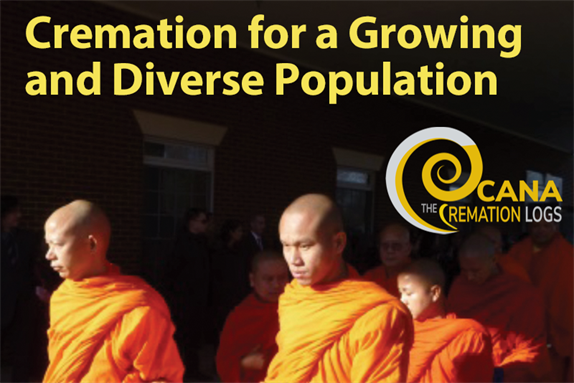 The 21st century is changing North American life. There are more of us, and more different kinds of us, than ever before. Our traditions are numerous and varied, and, in many ways, the marketplace shifts to address this new reality. No facet of our culture is immune to this transformation—and certainly not the way we memorialize loved ones who have passed on. In 2015, CANA Second Vice President and Funeral Director Archer Harmon told the cremation symposium audience how Fairfax Memorial Funeral Home responded to changing demographics. know your dataFairfax Memorial Funeral Home and Crematory is located in Fairfax County, a suburb just eleven miles from the border of the District of Columbia. Washington, D.C. is a very, very diverse community. Government jobs bring people there, embassies bring people there, a booming economy brings people there. In a very short time, in the ten years between 2000 to 2010, the non-Hispanic white population decreased in Northern Virginia by 10% percent to be replaced by an Asian population of 12.5% and a Hispanic population of 4.8%. In just ten years, that population change is incredibly rapid. I got these data off of websites from Fairfax County, the federal government, and the media. This information is free, it’s readily available to you, and it’s a road map for you to understand what’s going on and why your business is changing. You can look at these data and see where your business is going to go. At our funeral home the software we use tracks everything. Our directors and apprentices are trained that there are specific things that are entered into our computer program. I can tell you where our deaths come from, the ZIP code, the average age, I can tell you the race—I can tell you all of this with just a few requests through the software program. If you don’t know your past or your present, your future can be uncertain. Fairfax Memorial Funeral Home opened in 2003, within a couple of miles of well-established funeral homes in Northern Virginia that have been there 60, 70, 80 years. So it was a pretty big risk for the Doherty family to open a funeral home in 2003 when cremation rates were skyrocketing. But their risk paid off, and we served almost 900 families last year. A lot of you have cremation rates of 60-80%, but there are many populations out there who want ceremonies. If you try to discuss direct cremation with them, they just don’t get it. How do you locate, serve, and track these groups for whom direct cremation is not an option? the importance of outreachWhen we first opened, I met with the funeral preparer for a local Buddhist temple. She came to us to inquire about using our funeral home because it’s close to where the population served by her temple lives. She helped me get set up with all of our Buddhist equipment and helped me to tailor a package to accommodate the needs of her families. What all this means for our industry, with our shrinking profits, growing cremation rates, and how diverse we’re becoming as a population in North America, we learned to reach out to specific groups. Now, Fairfax Memorial has created packages tailored to a specific temple that uses our services. You have to have an outreach program for various groups so you can have a dialogue with them. You need to have a way to tell people what you can do for them. Our website is a great way we reach out to a particular population. The populations we are talking about are very savvy with technology, so we include specific religious and cultural keywords to help people find us. That way, when someone in Northern Virginia Googles “Buddhist funeral,” “Hindu funeral,” whatever the case may be, our information pops up. We are in the number one position with this. If you look at a map that shows an overview of what your area looks like by the fastest growing religions, you can see where to put your efforts. Looking at the information on the national map, if I owned a funeral home or crematory in Washington State, Nevada, Arizona, and California, I would be knocking on the doors of these temples saying, “I have a funeral home and we’re here to help.” THE LAOTIAN BUDDHIST FUNERALI think most of the directors at my funeral home agree with me that the Laotian funeral is one of the most interesting funerals we do. When we first opened in August of 2003, I was at the funeral home and we had a Laotian family walk in. They wanted to have a funeral. They liked our chapel because it was big and could accommodate 200 people. It was our first Laotian funeral and we didn’t know anything about a Laotian funeral. They helped us and they were very kind. To this day, we still have Laotian funerals and I still see some of the same people who were there for the original funeral service. We did something right the first time, and it has paid off. Laos is a Southeast Asian country bordering Thailand and Vietnam. In a traditional service, relatives of the deceased serve in Laotian funerals as novice monks, or “monks for the day,” and this is a great honor – but one they have to shave their heads and their eyebrows for. In addition to the novice monks, full Laotian monks from the local temples are the ones who do the chanting for the deceased during the ceremony. Services are very beautiful. The Laotians bring in their own Buddha. It’s a Thai Buddha and it’s very thin. It doesn’t have the Chinese characteristics to it. After the funeral has ended, the monks from the temple hold a rope. The rope is tied to the casket, and they lead the casket out our chapel door, through our front door, and throughout our entire funeral home. They make their route to the crematory where they witness the cremation. As part of the procession, there’s a family member behind the casket with a bowl of money that’s wrapped in foil. The packets are thrown up in the air, and if you are the funeral director or funeral assistant or apprentice on that casket, you will get pelted with money. The family throws the money to distract the attention of the evil spirits away from the deceased so the loved one can be cremated and move on to the next world. The rope signifies the monks pulling, and the indirect route taken to the crematory is meant to confuse the spirits. There are wreaths carried by family members with money attached to them. The family folds paper money into triangles and affixes it to the wreaths. This is for the temple monks. At the end of the ceremony, there’s a wreath for each monk as alms, or an offering to the monks, thanking them for their participation in the journey of the loved one from this life into the next life. The last Laotian funeral I had, there were ten wreaths. I counted one wreath and it had over a thousand dollars in twenties folded in triangles. Each of the ten wreaths was presented to the monks, so that is their form of payment, thanking the monks for what they have done for the family. If you ever have the honor to serve a Buddhist family and they give you a tip, take it. If you don’t take the tip, you’ve insulted the deceased and you’ve insulted the family. It’s the same as the alms for the monks. The family is thankful for everything that you do for them. learning to listenIt’s interesting to talk to people about their different cultures and religious traditions. It’s similar to the way people share food recipes. They want to share these things with you, and the more interest you have, the more they will tell you. And that’s how we’ve all become experts in this. Listening to the families we serve and putting it back together for them and giving them everything that they want. When we hire a new director, especially if they’ve come from another area, it can take a while for them to acclimate. I see them sometimes, just standing there wondering, “What’s going on here?” But in six months to a year, they’re fully immersed. In Northern Virginia, we have a huge Asian population. In many of these cultures, cremation is a practice that’s been done for thousands of years. Sometimes they choose burial, sometimes they choose cremation. We can accommodate them, and anyone else in our community, with whatever their needs are, by being willing to listen to their needs and learn. The data referenced in this post is based on the most recent US Census in 2010. The 2020 Census will provide even more perspective on how our communities are changing. CANA will continue creating innovative content about how change can work for traditional funeral homes facing new and different clientele. This post excerpted from Archer Harmon’s presentation at CANA’s 2015 Cremation Symposium titled Meeting the Cremation Needs of a Growing and Diverse Population in North America, as transcribed in The Cremationist magazine Vol. 51, Iss. 2 titled “Know Your Community: Build Your Business” which includes more photos and traditions from services of many different cultures. The Cremationist is an exclusive benefit to CANA members — explore our website to learn about the other resources CANA provides to members.
 Many funeral directors are facing more and more direct cremations with no services. They are at a loss as to how to overcome that trend. There are many ideas, theories, notions and educated guesses as to why families choose cremation. Cost. Environmental footprint. Control. Convenience. Lack of information. Religious affiliation, or lack thereof. All of those certainly are factors and can play a part in any one person’s decision. So we are going to look at the three Big C’s in Cremation. costI would like to go back in time to the early ‘60s when cremation first came on the profession’s radar, and find that first funeral director who said, “Well, I guess I shouldn’t charge as much for this since I’m not embalming or casketing” and take him out. I’m not a violent person by nature, but really?? That idea got started somewhere and we all just went along with it. Sure, let’s charge less for something that takes just as much time to accomplish, has much more liability, and requires just as much staff involvement. That makes perfect business sense. Within that nonsense also was created the message to families that they were somehow lesser-thans or 2nd class funeral customers. I actually worked for an owner who said to families, “We bury our dead, we burn our trash.” Because we didn’t take these families seriously and did not take their needs for a meaningful funeral service to heart, they left. Why would I pay $8,000 to someone who thinks I’m not as important as the people who buy the box? I can be ignored at the $695 box-and-burn immediate disposer who is more than willing to take my money and do nothing else for me. Families are hiring us to perform a service. If I hire an orthopedist to perform surgery on my shoulder, his price is for the surgery. He doesn’t talk about which instruments he might have to use or the amount of time it might take or how many nurses will have to be in the room. He says, “This is my price to fix your shoulder.” Why can’t we have a price for body preparation? Yes, we’d have to figure out the correct GPL language but we could certainly have more productive conversations with our client families if we didn’t have an if/then/or approach to pricing. controlYes, for a small group of people the cremation choice is made based upon cost. But the large majority are choosing cremation based upon control. These people have attended bad services in their past and are determined that they are not going to go to another one. If I have a burial, then I’m beholden to the funeral director to get the casket from point A to point B and so I’m stuck with whatever service is offered to me. I can’t throw the casket in the back of my car and drive off and arrange a service that fits me. But I can walk out with an urn in my hand and have control over the type of service that I hold. We’ve all been to “bad” services. The cookie-cutter, insert name here, hope someone says the name correctly, impersonal ritual that offers nothing about the person and what his death will mean to those mourning his loss. Every time one of these boring, hurtful or meaningless services occurs, another immediate disposition/no service is created. People say “When I die, don’t do that!” Cremation offers a choice, a sense of control over what happens in a memorial service. Does that mean that most are held at someone’s house or at a bar or a restaurant with toasts and stories? Probably. Does that mean that the value of having a gathering that celebrates the life and explores the grief and provides a guidepost for mourning the loss is lost? Definitely. STORY 1 Once I served as a Celebrant for an 80 year-old-man who died of suicide. It was a difficult service, but we honored his life and talked about the depression over health issues that caused him to make such a choice. We discussed what the grief journey was going to look like for those who were trying to make sense of the death. We encouraged the standing room only crowd to be an integral part of the family’s next steps as they turned tears into memories. It was a pretty good service. That afternoon I received an email from a woman who was in attendance begging me for a copy of the service. This lady tracked me down and said she needed a copy of my words. So, I asked the family for permission and I sent her a copy. Her backstory was this—her son died of a heroin overdose and her daughter, his twin, died of suicide four years before. They did not have funerals either time. They cremated, then met at a restaurant and told stories. They did not trust that someone could handle such delicate and hard situations, so they just avoided. She needed those words to help her on her own grief journey. This happens hundreds of times across the country to our Celebrants. Because the celebrant is a ceremony expert, focused solely on the ceremony and often devoting much more time to the ceremony than funeral directors and clergy can, the celebrant can be a tremendous resource. What celebrants offer can even be attractive to those who initially think they don’t want a ceremony at all. —Diane Gansauer, Director of Celebrant Services, SCI Colorado Funeral Services in Metro Denver Until we change the service experience for those families, they will continue to walk away. Our pricing, our lovely chapels, our offers of assistance—they’ve been there and done that and don’t trust us to be able to do something that is meaningful. Which brings us to the final C: celebrantsMy bedrock message is “Celebrants can change your business, Celebrants can change your families, Celebrants can bring your cremation families back to your firm.” The religious landscape of our country is changing. The percentage of people who identify as a “None”—not religiously affiliated, not engaged with a church—is rapidly growing. Statistics from the Pew Research report show that almost 25% of the overall population now considers themselves “nones” and over 35% of millennials are disenfranchised with religious experiences. This has incredible implications for funeral service. Some funerals homes have stained glass windows, Bibles in the foyer, hymns on the speakers and scriptures on their websites. There is nothing wrong with having an ability to serve your religious families, but today anywhere from 25% to 80% of your community does not identify or resonate with those representations. If all you have to offer is a minister and a religious experience, they are going elsewhere. High “nones” equal high cremation rates. It’s just that simple. The greatest impact a Celebrant can have with a family is the one on one interview time, an opportunity to sit down and become part of the decedent’s family, by hearing and learning first-hand about the life of their loved one, and sharing a personal glimpse into the life of the decedent with friends and family at the funeral service. That is one of the greatest gifts you can ever give to the family. Out of that experience comes the most gracious of compliments that you will ever receive, which is to hear at the conclusion of the service how well you knew the loved one. The Celebrant experience gives you that opportunity to serve the family in ways you may have never dreamed possible. —Kevin Hull, Vice President and Location Manager, Cook-Walden Davis Funeral Home Celebrants are the answer for a majority of your cremation families. So many of them are not offered any options by their funeral professional. So, they either opt for the rent-a-minister or do nothing. Another immediate disposition walks out of the door. When someone attends a service where every word of the service is focused on the life, on the family, and on the grief experience, their decisions can change significantly. “Oh. . .we can have this kind of service? Then I’m willing to talk to the funeral director about paying for THAT” Over 50% of the services I perform through referrals from funeral homes in my city come from someone who attended another service and came back and asked for that Celebrant. People pay for value. People pay for meaning. People pay for gatherings that heal. My friend, Ernie Heffner from York, PA, ran numbers on his Celebrant services and found that cremation families who used a Celebrant spent 36% more on other goods and services. It’s not about the money. It’s about the value, the experience, the assurance that someone is going to hear their stories, to honor the life and work with them to put together a service that fits them. People pay for meaning. STORY 2 I did a service for a man in his 40’s who drank himself to death. He left an estranged wife, a 19 year old daughter, 18 year old son, and a brother who was a recovering alcoholic himself. This meant two hours of slogging through a lot of baggage and feelings to get to the stories and to give them permission to say what was needed. But we put together a service that honored his life while being honest about his struggles and his demons. After the service, the brother handed me a thank you card with $300 in it. The funeral home had already given me a check for my Celebrant fee of $400. I said, “Oh, you’ve already paid me.” He said, “Please just take it.” The card read “Thank you for performing J’s service and I especially thank you for the time you spent with us Sunday evening. I’m hoping it provided as much healing to the others as it did for me. Thank you.” People pay for healing gatherings. In today’s world, the most crucial element in helping a family lies in the ability of the Celebrant to actively listen and recreate what they have heard into something with meaning and value. Celebrant Training is funeral service’s best option to develop the skills to become an outstanding funeral professional. At our firm, all of our funeral directors must go through the Celebrant Training so they can understand the importance and value of working with our Celebrants to help the families have a truly outstanding experience. This is especially important for cremation families that are looking for something other than traditional services. Celebrant Services play a major role in making Krause Funeral Homes a place of exceptional funerals. —Mark Krause, President Krause Funeral Homes & Cremation Service We’ve been saying this since 1999: Families need a service to begin their grief journey in a healthy and honest way. Unless we are willing to provide the professionals and the services that they are looking for, they are going to walk away. When families have options, funeral homes are going to lose every time unless their option is better, more appealing and soul touching. Looking at everything we do when it comes to serving the cremation family—pricing, style of service, presentation of choices, availability to Celebrants who can do exactly what the family wants and needs – is the only way that full-service funeral professionals are going to stay in business. How we deal with all of the C words will determine how much farther down the road we get to travel. CANA is partnering with Glenda Stansbury and the InSight Institute for the second time this July to offer Celebrant Training. Limited to 40 attendees, this course packs a lot of information, emotion, and training into three days but is increasingly considered a must for the most successful businesses in the US. Learn more about this class coming to Louisville, Kentucky from July 29-31 and register online.
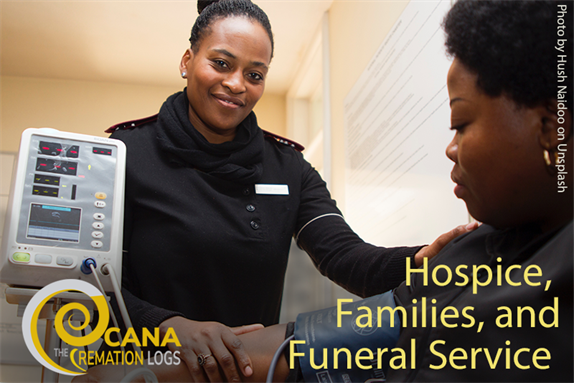 There are a number of proactive measures we as a profession can take in pursuit of remaining relevant to contemporary consumers. Developed from ideas presented by Kim Medici Shelquist, Senior VP of Planning & Development for Homesteaders Life Company, and Ernie Heffner, President of Heffner Funeral Chapel & Crematory, this post focuses on the relationship between end-of-life care and death care and the family’s experience. hospiceThe first US hospice was established in 1974 and viewed as an alternative to current heathcare options for those at the end of life. Kim explained that, in many cases, traditional healthcare establishments were not welcoming, so hospice professionals had to fight for respect. The largest growth of hospice care providers in America occurred after Congress passed legislation in 1982 to create a Medicare hospice benefit allowing Medicare/Medicaid to fund hospice care. As of 2014, there were 6,100 hospices nationwide and more entering the market every year. FACTS ABOUT HOSPICE PROVIDERS Most hospice care is not a non-profit endeavor but rather care provided by for-profit organizations and keenly attuned to demographics, networking, market shares and the competition. Ernie described that hospice organizations have changed significantly from the volunteer-based approach some of us may remember from the early days of hospice care and now have first-class marketing graphics and a business plan to match. The close personal relationship of a hospice care provider with surviving family members does not end with the patient’s death but can extend for more than a year after. Ernie researched and reported many of the following statistics from the website of the National Hospice and Palliative Care Organization.
the role of the hospice workerHospice care providers are a very special, caring group of people. They are held in high regard by the families they serve. Their opinions and advice are trusted. They are passionate, dedicated, and tenacious. There is little turnover, and even those who do leave often move to another hospice. No other healthcare professional actively talks to family about the end of a life and planning the way a hospice care provider does. Kim explained that they do whatever is in their power to reunite families and meet patients’ needs, they are flexible and open-minded, and they figure out how to provide the best end-of-life experience possible. Ernie recommends the chapter “The Power of Presence” in Doug Manning’s book, The Funeral, to appreciate the connection and relationship hospice care providers have with families. Almost half of all deceased people in the US last year were under hospice care before they ever got to a funeral home, crematory, cemetery, or anatomical gift registry. That’s significant, because unless you have a great community engagement program, a family’s first contact about funeral plans is hospice staff. Social workers ask patients and families about their wishes and intentions long before you see them. Statistically, these caregivers have built a very personal relationship with almost half of these families immediately prior to the death of their loved ones. If that doesn’t motivate you to think about what you’re doing in your community and your hospice outreach, I don’t know what will. The average length of hospice stay is about 70 days. That’s a long time to create a relationship with the family. 59% of hospice patients receive in-home care. Hospice staff go in, day after day, and build that relationship and gather the details of their lives and their family dynamics. It’s a very different situation – we get three days, they get almost three months to hold those really hard conversations about really hard parts of a patient’s life. In that role, they become trusted advisors and the go-to people for all things related to death and dying. serving hospice familiesThe average hospice caregiver, no matter how well-intentioned, only knows as much about funeral service as someone who goes to a lot of funerals. Most are invited, and attend, many patient’s services and thus see many local funeral homes. But, there’s no aspect of hospice training that goes into the ins and outs of funeral service. We use a lot of trade-specific information and technical jargon that is confusing to families and just as confusing to those caregivers. And if these people go to a lot of funerals, it means they go to a lot of bad ones, too. What does that caregiver think after they leave? If the next family asks, “What should we do?” they might not recommend your funeral home because they remember that bad service. Some funeral directors ask, “Why do they tell them to do the cheapest thing?” Kim reminds us that the social worker has seen their hospital bills, heard about maxed-out credit cards, and sat with the widow afraid of losing the house after losing her husband. That social worker is not concerned about whether the funeral home is interested in offering an upgraded casket. If the social worker sees you trying to sell the family anything, they might remind them that they don’t need it. It’s not right or wrong—it’s just the way it is. We can talk about “that’s not her role” or “the family might have wanted to do something nice and she took their choice away,” but you’re talking about a dynamic where she was protecting them. Hospice social workers and caregivers take their role as advocates very seriously. They value collaboration. That means if you can create a relationship and build trust, you can position yourself as an advocate of the family, and you can collaborate on the process. If they see you acting in the best interest of their families, they will support you. By the time the hospice family comes to the funeral home, you need to understand what they’ve been through. You are professional and passionate members of funeral service, but terminal illness is different. In a hospice situation, the family often has the opportunity to come together and say goodbye. Sometimes, they’ve done it three or four times. They’ve done the first part of the grieving process. They've had a lot of time to talk about death, to think about death, and often have additional support via hospice resources to prepare and guide them. The family is often present at the time of death, and it’s not unusual for them to have a brief ceremony right then. Kim explains that, the presence of the family, the words of the chaplain, the goodbye to their loved one – after that, they may not need a traditional funeral to process their grief. And it’s important for funeral professionals to understand that. That’s not to say that there isn’t need or opportunity for service and ceremony, but we must remember that those in hospice have declined for a long time. Their survivors often say “I don’t want people to see my loved one like that.” It’s hard for families to think about a visitation because of the change that illness has brought. They don’t want their friends and families to remember the deceased that way, or worse, not recognize their loved one anymore. But they don’t necessarily understand what you can do about that. They don't always understand how body preparation can make a big difference—whether they agree to full embalming (which can reduce swelling or return moisture) or merely a shave and a haircut (which can make them look like themselves again). Lastly, you know that these families are spread out, so they’ve spent time and money on travel in addition to the financial costs of long-term care, lost time at work and time with their immediate families. They are exhausted physically, emotionally, and financially. And this stress has likely heightened any kind of disagreements about medical care and funeral planning. HOW TO GET STARTED IN DEVELOPING A HOSPICE OUTREACH PROGRAMDeveloping a meaningful relationship with hospice care providers in the community is not about dropping off cookies at Christmas. It is a commitment to education that can benefit all concerned, providing the families we mutually serve with seamless and meaningful end-of-life transition. Ernie provides three key strategies for starting your hospice relationship:
in conclusion...Dr. Alan Wolfelt, internationally acclaimed grief counselor, author and educator, has said “Education starts with understanding the people we serve.” To that point, it is helpful to review the demographic and societal statistics of your community, understand how these facts dramatically impact end-of-life service providers, and embrace the adaptations needed by the profession—including further education and training—in order to remain prospectively relevant to contemporary consumers. Like Ernie says, life is about relationships and experiences. We are in the business of celebrating the life of the individual by recognizing how they touched the lives of others. Our mission is to orchestrate and direct a meaningful ceremony with compassion, flexibility and options and in way that is as unique as the person who died. Kim Medici Shelquist's remarks excerpted from her presentation at CANA's 2017 Cremation Symposium titled "Seek First to Understand: How will changing demographics and end-of-life care options impact the funeral profession?" Ernie Heffner's full article is featured in The Cremationist, Vol 55, Issue 1, titled “Staying Relevant in a Changing World” featuring important discussion on the role of Celebrant services, the importance of minimum standards, hospice, and more. The Cremationist is an exclusive benefit of CANA Membership.
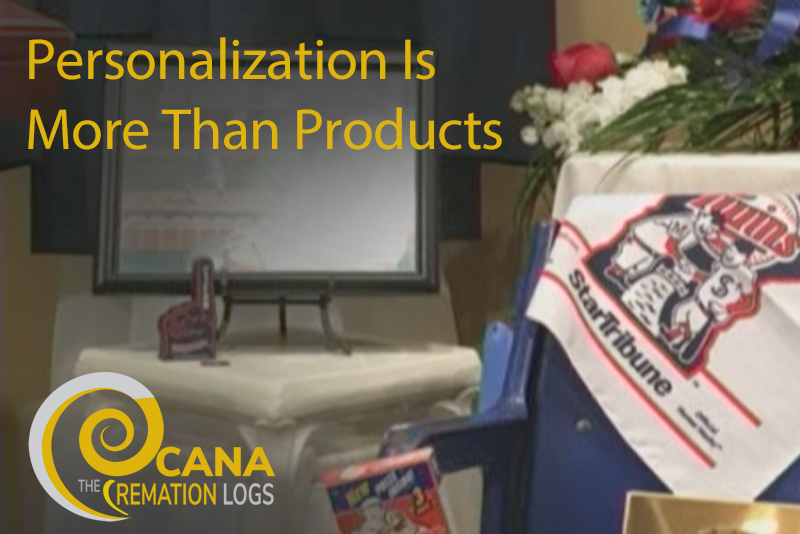 Trade shows make for a great opportunity to check out innovations in memorialization—scattering urns, the latest keepsake jewelry, contemporary stationery designs, and cemetery monuments. These products offer new ways for you to match the unique personalities of families and their loved ones. But true personalization is so much more than products. From the moment you answer the phone, you have the chance to differentiate yourself from your competition and enhance that family’s experience. Then, once they walk in the door, you have the opportunity to infuse ceremony in each interaction and make a difficult process meaningful to the family. Extracted from examples provided when Lindsey Ballard facilitated an interactive discussion on Best Practices in Personalization and Ceremony at CANA’s 2019 Cremation Symposium, we offer the following ideas as inspiration. removalsTransfers and removals offer a unique opportunity to gather helpful information about the family through observation of the home and the items of comfort that surround the deceased. Encourage your staff and removal technicians to take notice of décor, family photos, items on display that might reveal a passion or treasured activity, and even the colors that fill the space. Empower your staff to engage with the family—it’s here they can learn some of the stories behind these beloved objects and see what motivated people in life. These initial impressions can help start the conversation about ways to make a service personal and demonstrate that you care. Symposium attendee Franklin Rainier, of Franklin J. Rainier, Jr. Funeral Home, shared a story about entering the home of a 95-year-old woman and finding it decorated with Pink Floyd memorabilia and album covers. When asked, the woman’s son confirmed that she had been a true fan. Back at the mortuary, Franklin and his staff played Pink Floyd and lit candles to honor her as they prepared her body. ARRANGEMENT CONFERENCESFor some families, such as those who make a direct cremation choice, the arrangement conference may be the only time they will be acknowledging their grief before moving on. Sometimes, a special window opens up during these conversations and it’s important to pay close attention. Attendee Rita Alexander, of the Cremation Society of Illinois, recommended being especially sensitive to the pauses in the conversation and allowing people as much time as they need to grieve in the safe space you’ve provided for them. Attendees agreed that a primary strategy is to make the arrangement conference into a conversation, to put the pen down and get to know the family before filling out the forms. You can introduce yourself and your company and describe how the process will work, then invite them to converse and share. Ask them about themselves, the deceased, and family and friends—that’s the time to take notes. At Simon Dubé’s funeral home, a Dignity Memorial location, these notes are discussed in staff meetings to brainstorm how arrangers can make sure the family’s experience is special. Not everyone on staff is equally creative, but together they can design the meaningful service that each person deserves. Attendee Keith Charles suggested keeping the acronym FORM (part of the word information) in mind to guide your questions: “F” is for family and their relationship to the deceased. Make sure to acknowledge every single person in the room. “O” is for the occupation of the deceased. What type of work did they do and what was its impact? “R” is for recreation. Where did they go on vacation as a family and are there photos to use during the ceremony? And lastly, “M” for motivation—what put meaning in their life? With this acronym to guide you, you’ll be sure to touch on the major aspects of someone’s life and gather valuable stories to create a meaningful service. VIEWINGS, VISITATIONS, AND SERVICESAttendees agreed that getting the family’s permission to personalize the service is the first step to providing a unique and memorable experience. Many attendees shared stories of services they’d performed that conveyed real meaning to the family they served. A signature purple door for a Friends fan, a dress carefully chosen and displayed with a tuxedo to re-create a meaningful dance memory, or the seemingly modest touch of preparing the body’s fingernails with a signature teal polish and passing it out to the family to wear, too. Never underestimate the power of the small gesture of service: accents of a favorite color, the gift of a small pin (such as an American flag pin in the case of a service for a U.S. veteran) distributed to each guest, and other touches go a long way to demonstrating you listen and care. Simon Dubé explained that taking time to requires a lot of work, but staff that are motivated by family service are willing to make the extra effort. Word of mouth is your most powerful advertisement. When you create an unforgettable experience, the conversation keeps going and spreads the word about how your firm goes above and beyond for the families you serve. Simon had many useful tips, including the recommendation that you invite the family to view the set up of the room an hour ahead of the service to make sure that they are comfortable with what you’ve done. This leaves plenty of time to remove a display if the family disagrees, and also provides them an opportunity to grieve and remember with the memorabilia in private. Facilitator Lindsey Ballard pointed out that every moment can be an opportunity to turn service into ceremony. Handing a flag to a veteran’s family can be more than a simple keepsake if you use it to bring the family together to reflect on the symbol the flag holds. Lindsey does this by inviting close relatives to lay a hand on the flag while she recites a few words about commitment: a veteran to his country and theirs to his memory. In this way, a service for the family is transformed into a ceremonial experience they will remember. COMMITTAL AND SCATTERINGBe sure to inject ceremony at every pivotal moment, even during scattering. With a water scattering, you can pinpoint the GPS coordinates and give them to the guests. Balloon or butterfly releases can accompany an event. Processions will provide a really special memory for those in attendance. Don’t be afraid to ask local groups related to the deceased’s passions or occupation to participate as an honor guard. That could be firefighters, motorcycle groups, or high school athletic teams. At the end of a committal or scattering, as people are standing awkwardly, unsure about what to do next, give them an invitation to do something to finish with ceremony. For instance, they can leave a “handprint” by stepping up to touch the casket or urn before they leave. transfer of urn into family's careThe urn transfer can provide an opportunity for ceremony, too. If the family is open to it, you can schedule a military honors ceremony for veterans with the military present and a flag-folding presentation. Another idea is to hand-deliver the urn along with the death certificate. You can wear a jersey when the family of a deceased fan comes in to pick up cremated remains. aftercareIt’s important to stay in regular contact with families before, during, and after the services. Suggestions for accomplishing this goal include memorial service for donors, annual remembrance events, and mailing special cards to the family on the date of the deceased’s birthday or the anniversary of the death.
This presentation included many images and stories that had several professionals tearing up in the audience. Interested in hearing the recording? The 2019 Symposium Recording is available for purchase. Visit the event page to learn more.  Everybody knows some of the challenges we have in the industry right now, and that 2016 marked the first time there were more cremations than casket burials. Now, as we approach 2020, the cremation rate in the US is expected to be about 56%. This is one of the biggest challenges we face every day. Additionally, studies show that the percentage of people who feel a religious component is necessary to their service is declining rapidly. Five years ago it was about 50%, this year it’s about 40% -- a loss of about 10% of people who feel a need for a traditional religious component to their service. Some more challenges: 70% of baby boomers do not want the same type of service that their parents or grandparents did and 62% want a much more personalized approach. Many of us, even some reading this, still only offer the very traditional services that we offered several years ago: 90% of cemeteries and funeral homes only offer very traditional things. So though consumers say they want something different, we offer them the same. We have a traditionalist mentality and the statistics mentioned above support that. This one is probably our fault: 68% of families want an organized gathering of some sort, but only 16% know that they are able to have one. We’re the ones that said “Hey, let’s call this direct cremation and we can sell this for $495, $595, $695, $795 – cheap, cheap, cheap, cheap!” Finally, about 70% of families know they have an ability to be in a cemetery. I grew up in cemeteries, I’ve been in the cemetery business for 30 years – that statistic drives me absolutely nuts. We need to evaluate all of these challenges and find strategies to overcome them. strategy: Relevant offeringsWhen we talk about relevant offerings, we need to give people a reason to see us other than visiting a loved one. In order to do this, you need to produce some relevant offerings at your location. In cemeteries, I suggest having multiple products in one area: in-ground, above-ground; multiple price points – 6 or 7 is a good number (less and you look like a tightwad, more and you’ll confuse not only your families, but your staff as well); personal and private. Picture a planned community with some private homes, clusters of quad homes, and then a high-rise condominium that houses 800 people. You have a couple options as you flow through the space. But again, you have to make sure that you are giving people a reason to come visit you without visiting their loved ones. And it can be done. Many businesses in our industry are opening their doors to other events. The right space can be used for a field trip, a wedding, and other community events. Relevancy is something we need and lack in this industry and we have to get out of our own way sometimes. Offering food and beverage is one of the hottest trends in this industry. We’re trying to find ways, especially with our cremation consumer, to create value in what we do. Remember only 16% of families know they are able to have a gathering but 68% want one. How can we bridge that gap? It’s simple, folks: when a death occurs, between the death and when the service or cremation occurs, people eat an average of 7-9 times. That means we have 7-9 times to serve a family other than “Hey, how about a direct cremation today? Great, hand me your $695 and let’s go home.” Valuation consultants estimate that if you were to add just 12 hospitality services a year, it could bump the value of your business up $400k. With 12 a year at $600, that increases your sales and the value of your funeral home or cemetery. Keep in mind that hospitality is a strategy. You’re not selling food, you’re not selling beverages, you’re not selling your room rental. We have to stop thinking like that. You’re selling experience and convenience. A widow who just lost her husband of 60 years has family coming in but the last thing she wants to worry about is how she’ll feed them. It’s an added stressor, so offer food trays and include it with the service or with the opening/closing fee. It becomes an automatic add-on – provide a nice platter to the family every time they come in. Stacie Schubert corporate catering for SCI, and she says “catering is for the busy, not the affluent.” Change your mindset. We think, “Catering? That’s going to be really expensive,” but it’s for people who are too busy to worry about eating the 7-9 times after a death occurs and before a service happens. How can we plug in hospitality as part of what we’re doing? We don’t have to, but I can promise you somebody is. It may be your local hotel, country club, banquet halls, and restaurants. Every one of them is in the funeral home and cemetery space getting $1,500 for the ballroom plus food and we have the same facilities and can do the Same. Darn. Thing. We need to create a space to hold a non-traditional funeral service. Today’s consumers are telling us repeatedly that the days of having a visitation from 6-8pm, a service at 8pm, and a graveside the next morning are done. We’ve got to find a way to meet the needs of the consumer instead of always saying “Here’s how I’ve always done it, I’m going to continue to do it this way.” I heard a joke recently, How many cemeterians does it take change a lightbulb? My granddaddy put that lightbulb in 40 years ago, why would I need to change it? Provide a full catering package, and think past the funeral luncheon. A lot of people are following the family home with food after the arrangement conference because food is the last thing they’re thinking about after they just signed the authorization to cremate Dad. But they need to eat – they physically need to eat. So, people are following them home. Give people what they want. I’m not saying you need to go out and build a huge facility, most people are retrofitting what they have. strategy: EducationNone of this really matters unless you’re able to get the word out effectively. If only 16% of families know they can memorialize somewhere, we’re not doing a good job educating people about what their options are and about what we have to offer. We do a great job saying “direct cremation: $495,” but we don’t do a good job everywhere else. We have to be able to show we’re the experts, but more than that we have to be able to humanize ourselves to them. We’re not just creepy funeral directors, crematory operators, or gravediggers. Did you know that YouTube is the second biggest search engine after Google? People are going to YouTube for information, 3 billion searches a month, but how many of us have an active YouTube channel? And how many people have an active email campaign? What about tying to a social cause? Giving a percentage to a charity or foundation – how hard would that be to do? You say “it’s not really relevant, John. These Boomers don’t care about that.” But guess what happens when a death occurs? They sit down with their kids or their grandkids and say “what are we going to do with Dad now?” And one of the kids, one of the 25- or 30-year-olds, googles “cremation” and sees a direct cremation for $495. So it’s not just the 80 year old person that we are serving anymore, it’s a whole lot of layers underneath that 80 year old person. And the younger generations do care about those kinds of things. One idea is to get a cremation “genius” on your funeral home or cemetery staff – someone who specializes in cremation. Roll with me here – it’s not just how the crematory works, it’s “Oh, you want to wait and do this 6 months later? Okay. We’ll cremate Mom now, hold her here. Here’s a list of hotels, caterers, cemeteries and we’ll put this together and in 6 months we’ll have a service.” It’s similar to how you walk into an Apple Store and you talk to a “genius” and they know everything there is to know about their product. But in our funeral homes or cemeteries, we have one person who does a lot and they have to know everything. Yet with cremation we're generalists – we’re not focused on knowing everything there is to know about the process, what drives the cremation consumer, what they look like, or what pushes their buttons. But it’s what people expect. strategy: salesEveryone knows the old adage that value has to equal price, but I’ll take it a little further: the perceived value has to equal the price. Sales 101 in two paragraphs: People buy for two reasons: to get rid of a problem they don’t want or to create a result that they want but don’t have. It’s that simple. Think of your position in your marketplace with your pricing just based on that. Now let’s break that down a little bit more. You’re selling utility, the value of your product. You don’t buy a can opener to sit and be pretty, you buy it to open cans. Consumers don’t pay for products, they pay for what the product does. We have got to define our added value. We have to create something significant for people we serve. A lot of cremation is low-cost, cheap and easy. I’m not saying it shouldn’t be that way, but you can still create value for “cheap and easy.” People buy from you for two reasons: they like you and they trust you. If they like you and trust you, they’re going to buy from you. If they don’t, they won’t (or they might, but not much). Once they see the utility behind what you’re doing, they want to see the credibility. Once they think you can deliver what they want you to deliver, they want to make sure it’s relevant to them. This is often the most crucial stage in closing the deal. To successfully get through this phase of the sale, two key skills are required: the ability to question skillfully, the ability to listen carefully. Part of our biggest problem in dealing with the consumer is not listening. We already know. We’re programmed with what we’re supposed to say. When they skew, we try to bring them back. So, dig a little deeper. Ask questions and listen to their answers: “Tell me about yourself and your family.” Push the papers, the contract away and ask them to tell you about them. Even with a direct cremation, do this and build value. “If you could design the perfect way to remember your loved one after they are cremated, what would it look like?” Don’t just show them the 14 urns in the catalog or on the shelf, ask them to describe what the urn, the service, the keepsake would look like. Then make relevant suggestions and create value. what do you do?Make a plan. Understand where you are, create a baseline. Take the key points from this post and create a strategic plan to get where you want to be. Decide what changes you would like to make and how you are going to make them. Focus on something you could implement immediately, then focus on the short term. “When I’m at the CANA convention next year, where do I want to be?” Set a target or improvement goal. Make the beginning something easy to create value. But then set the long-term goals and figure out what you need to do in a year to make it happen. Then, make it happen. This post was transcribed and edited for length and clarity from John Bolton's presentation at CANA's 100th Annual Cremation Innovation Convention on July 27, 2018 at the Fort Lauderdale Marriott Harbor Beach Resort & Spa in Session 7 • Beyond the Niche: Creating an Effective Cremation Development Strategy, to lead us past the “If we build it, they will come” philosophy and break down the ins and outs of developing a true cremation strategy to effectively meet the needs of today’s non-traditional cremation consumer. With a wide range of valuable networking and educational opportunities, the CANA Convention featured sessions that examined the last 100 years of CANA conventions and growth in cremation, evaluated where businesses are today, and focused on the next 100 years by providing strategic and practical information for long-term success. Missed it? You can access John's full presentation recording and all other speakers' wisdom on our Learning Management System. View session descriptions and pricing here: gocana.org/CANA18. Save the Date for CANA's 101st Annual Cremation Innovation Convention in Louisville, Kentucky July 31-August 2, 2019.
 What do Canadians know that might benefit their colleagues across the border? In order to try and answer that question, The Cremationist contacted successful members from the three most populous provinces— Louis Savard (Quebec), Laurie Cole (Ontario), and Ryan McLane (British Columbia)—to ask them for their opinions on factors contributing to Canada’s higher cremation rate, how that rate has affected the way they do business, how they approach cremation and talk to cremation families, what their experience with direct cremation has been, and what advice they might give to a U.S. colleague. louis savardMARKET DIRECTOR FOR QUEBEC, SERVICE CORPORATION INTERNATIONAL The impact of rising cremation rates began for Canada in the 1980s and 90s. Since then, we’ve learned to live with the high rate. Because we’ve been experiencing high cremation rates since the 90s, it’s not a big deal for us. It’s just our day-to-day operation. We are living with it. Back then, it changed everything we did. Celebrating the life of a loved one is the same. Cremation doesn’t mean people don’t want to make an investment. It’s not just disposal of the body and it doesn’t mean they don’t want to get together. There is the same need to celebrate the life of a loved one. Today, cremation and burial in Canada are the same. Visitation in Quebec is the same. Celebration and services, people meeting and talking together to celebrate the life of a loved one. The cremation rate in the U.S. is going through what we went through 20-25 years ago. I work with an international company that serves the U.S. and Canada. The company only began adding catering services a few years ago in the U.S., but we started catering in Canada 20 years ago. It’s a big, big piece of the service we provide and adds a lot to our revenue. People sharing a glass of wine, being all together, having a eulogy at the same time as the reception. We need to adapt ourselves to what people want, because we have to create all kinds of ways to have a life celebration. We need to have an open mind. If each life is unique, each celebration is unique. If you have an open mind, you can do everything, listening closely and carefully and working with the family to celebrate a unique life. You cannot be trained for that—you have to be a person who is creative, working with families and listening attentively to build that honor. People want to celebrate life. The funeral home is not where they live, where they meet with their families, where they have fun. They want to celebrate a life where they are comfortable. With cremation we can do whatever we want. Not so much with a burial. laurie colePRESIDENT AND OWNER OF COLE FUNERAL SERVICES Cremation has become a choice for many families, religious or not. It really is not a cost issue: people truly just want to choose cremation as part of the service instead of choosing traditional burial. With an onsite cemetery, we offer many options for memorialization for cremation burial. Some families do choose to keep the urn or scatter the cremated remains, but we also have a lot of heritage at Pinecrest, so many families do have the option of placing urns with family members who already rest at Pinecrest. That being said, even if there is no room in a family plot, families may still choose to purchase land for the urn burial based on the heritage affiliation as well. With cremation, families can also focus on more details and options for the service. They have more time to plan the event with us rather than with the more “traditional” type of service. They can turn their attention to items such as linen color, personalization of the photos, stationery, food and alcohol selections, and creating their own floral arrangements or music playlists and the like. A cremation family may choose a simple container or casket, but they tend to focus on the urn and possibly an urn vault. They don’t see the value in an ornate casket, but may find value with the urn, jewelry, an urn vault for mementos, the memorial cards, or the land/monument or niche. When a family says, “We just want cremation,” as service providers, we should not assume this means direct cremation. It oftentimes means that they want cremation and not traditional burial, but they still want some sort of gathering with food and beverages, a service, and a viewing to honor their loved one. Yes, 80% of our families choose cremation. But of that 80%, only 10% request a true direct cremation—and I always share that fact with colleagues in the industry. My advice is to communicate all the choices to a family, regardless if they say, “We just want cremation.” We are doing a disservice to our families if we do not show them all the options available, for some simply may not be aware of their choices and may see value in them once they know about them. ryan mclaneMARKET MANAGER FOR VANCOUVER ISLAND, SERVICE CORPORATION INTERNATIONAL I have been witnessing requests for direct cremation for 20 years now in British Columbia. I don’t think this is a U.S. phenomenon in any way. This direct cremation concept begins with an active increase in cremation requests as a whole. The cremation rate has been considerable for a long time now in British Columbia. Over the years, many people have discussed the reasons for this and agreed that a number of important factors come into play. The most common suggestion is the nature of our transient society in British Columbia. We have had a very high rate of immigration over the years, as well as a very high mobility rate among people retiring to British Columbia from other parts of Canada. This leads to fewer people in their social network and less family around them. When a death occurs, cremation is viewed as a way to ensure that end of life is “not so complicated” or a way to “keep it simple.” Funeral directors can never assume that they know what the family is thinking. The most difficult thing to overcome is the perception that the family wants nothing but a direct cremation. So many times the family doesn’t even know what they are asking for. Many request cremation and nothing else. But what does “nothing else” actually mean to them? How can the funeral director be more involved? Families want to keep it simple. But what is your definition of simple? I see a difference in the need for explanation to what is available to almost every cremation consumer. Many people who select cremation are not aware that they can still have a visitation, or still have a service and still have a cemetery plot. Once you start to explore the options with a family, they will want to create a personal service for their loved one. Many times this is independent of any mainstream religion, and oftentimes families have no affiliation with the local church. Over the years, it has been evident that the cremation consumer is looking for value. That does not mean that the consumer is cheap but rather that they are focused on purchasing items or services that are meaningful to them. Personalization is very important, as well as efficiency. As time goes on, requests for embalming have been replaced with requests for catering. We’ve also had to adapt and create new traditions for the families that are not affiliated with organized religion and who want chapel services with or without viewings. Funeral directors have to educate families. The cremation concept is not a new concept but people just don’t know realize all the options they can have for arrangements. Families need to make educated decisions with a funeral director. As traditions evolve, we as funeral professionals need to take the lead to educate and to continue to help create meaningful events for families to say goodbye to their loved ones. This post has been excerpted from Vol. 53, No. 4 Issue of The Cremationist and edited for length. Members can read the full version and insights on cremation traditions around the world in the original issue. The CANA network is one of the most powerful benefits of attending a CANA event and membership with the association. CANA provides the space where cremation professionals can share important conversations with people who get you and your business. Consider connecting with CANA and other industry experts at the 2018 Cremation Symposium for topics that inspire innovative thinking. Not a member? Join your business to access this article and all archives of The Cremationist plus advice, tools, techniques, and statistics to help you understand how to increase your cremation success -- only $470. Louis Savard, Service Corporation International’s Market Director for Quebec and Vice President of SCI Canada, entered funeral service in 1985. He was the National Sales Director for Atlas Casket and worked for three years at Lepine Cloutier Funeral Home as a sales manager in preneed before moving on to SCI in 1992, where he was involved in corporate development.
Laurie Cole, President and Owner of Cole Funeral Services and Secretary-Treasurer/Director of Operations for Pinecrest Remembrance Services, is a fourth-generation descendant of John Cole, founder of the original Pinecrest Remembrance Services, established in 1924. In addition to her tireless service to Ottawa through the Rotary Club of Ottawa Kanata Sunrise, a supporter of the Live/Work/Play program, she has also served on the Board of Directors of the Cremation Association of North America. A mother of two, Laurie is a country girl at heart and has even earned a college diploma as a veterinary technologist. Ryan McLane is the current Market Manager for Vancouver Island with Service Corporation International. He has worked both in Vancouver and on Vancouver Island for over 20 years. He is also a Past President of the British Columbia Funeral Association.  In recent months, preplanning and preneed have become hotly discussed topics in the death care industry. CANA has plans to address them at the Preneed Summit, a special addition to the Cremation Symposium in February – a meeting for preneed professionals and those looking to learn how to improve their preneed strategy. Stay tuned for more details. In the meantime, consider CANA Executive Director Barbara Kemmis’s own experience with her parents One morning, my dad called me at work, which was a first. I was immediately concerned that bad news was coming, however it turned out my parents had made a resolution to “get their affairs in order.” They were starting the process of prearranging their funerals and updating all of their end-of-life documents. My dad’s plan was to have everything in order before I visited in a couple of months. He was calling to confirm that the funeral home he had chosen was a CANA member. CANA gets similar calls and web inquiries from consumers regularly and it got me thinking: What does a CANA membership and CANA certification mean to the consumer? The funeral home my parents chose is well respected in the community and is a CANA member that proudly displays the CANA logo on its website and front door. The crematory operators are all CANA certified, which means the employer saw value in providing continuing education for the staff. I contacted the funeral home owner, DeWayne Cain of Rest Haven Funeral Homes in Rockwall, Texas why he sought this designation for his business and staff, and what it means to the community he serves. Dewayne and his staff serve hundreds of families like mine every year. Dewayne said, “CANA is considered the authority in training and certification for crematory operators. The outstanding CANA workshops, seminars and continuing education courses help my staff and me stay current on best practices for crematories. Rest Haven’s affiliation with CANA is important to me and to the families we serve, because it demonstrates our commitment to the highest standards of integrity and professionalism.” When I visited my parents, we went to the bank and spent time reviewing documents – living wills and worksheets from the funeral home. Not surprisingly, my mom had planned a lovely funeral for herself at which her many friends from church and her social clubs, former students and others could gather together. My mom is a social creature known for her party planning. My dad’s worksheet simply stated, “Just cremate me.” He explained that he didn’t want us to be sad or mourn him. He didn’t want a big deal made about his passing. He would be in heaven and we would see him again when it was our time. My mom and I looked at each other and then looked away. I said what she couldn’t at that moment. “I love you, Dad, and I will mourn you and I will cry when you die. I need to be surrounded by family and your friends and former students. I need to hear about the practical jokes you pulled in the classroom and the stories of your leadership in the church and community. I want to respect your wishes, but I will mark your passing. I love you too much not to.” Cremation is really just the beginning of the conversation, though for too many people like my dad, it’s the end. Recently, I was saddened but unsurprising to read that an urn filled with cremated remains had been accidentally donated to Salvation Army. In a culture of well-meaning but uneducated consumers dealing with the new tradition of cremation, this situation is becoming all too common. I’m grateful that my parents want to discuss preplanning and that I have access to the information provided by our members on the process, what to expect, and the importance of memorialization. As it says in the CANA Code of Cremation Practice, "Cremation should be considered as preparation for memorialization; and the dead of our society should be memorialized through a commemorative means suitable to the survivors." The agreement I reached with my parents is that I will honor their wishes to be cremated and the details of the ceremony and final memorialization are underway. Our conversation continues about their “affairs,” and has become about much more than preplanning a cremation.
|
The Cremation Logs Blog
Cremation experts share the latest news, trends, and creative advice for industry professionals. Register or log in to subscribe and stay engaged with all things cremation. Categories
All
Archives
May 2024
|

|
|

|
|
|
 RSS Feed