
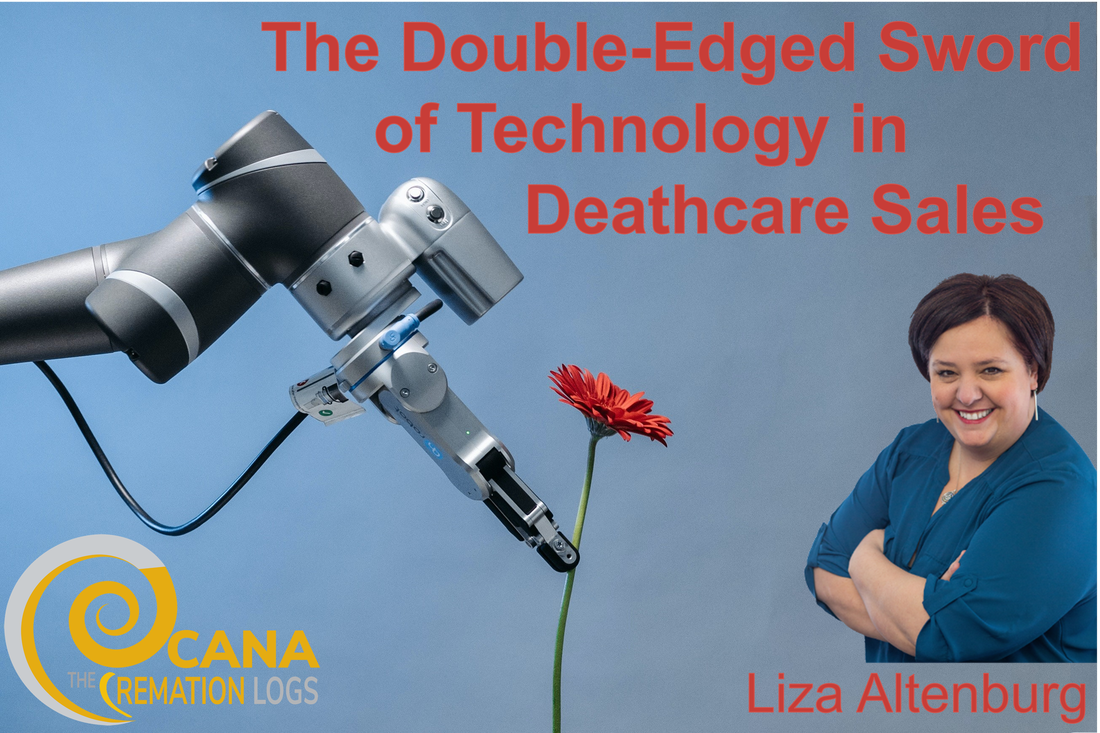
 Hold onto your smartwatches, folks. Here comes a potentially scandalous statement: Not everything in our lives benefits from being Uber-ized or given the "there’s an app for that" treatment. Case in point? Deathcare sales. Yes, I know. In an age where even our refrigerators have Wi-Fi and Alexa can tell you a joke when you’re feeling down (though, let's be honest, some of her jokes are rather... refrigerated), here I am, diving into a topic that might make some tech enthusiasts raise an eyebrow. "Whoa, is she really about to go there? Bold statement, Altenburg!" EMOTION OVER LOGIC: WHY DEATHCARE SALES ISN’T LIKE BUYING SNEAKERS ON AMAZONEnd-of-life planning is far from your average purchase. It's not about snagging a deal during a Black Friday sale or choosing between iPhone models. We’re diving deep into the realms of mortality, legacy, and the deep love we have for those we’ll someday leave behind. So, before you start building holograms of funeral planners or virtual reality cemetery tours into your business plan, remember: this purchase is driven by raw, unfiltered emotion, not by how snazzy the tech might seem. A CAUTIONARY TALE: THE PERILS OF TOO MUCH TECHAllow me to share a true story of a top-selling Counselor who for years rode the crest of success but this year, got a little too cozy with his tech gadgets. He crunched the numbers and thought, "Why settle for three face-to-face meetings in a day when I can chat with 15 people electronically in the same timeframe?" He took the plunge. Instead of his usual in-person consultations, he dove into emails, texts, and Facebook messages. From 15 weekly face-to-face presentations, he plummeted to less than five, so that he could focus on his electronic 'presentations', which shot up to over 60 per week. He was presenting to more people than he had before… So he sold more and earned more, right? Wrong. It wasn't a mere dip in sales; it was what I would refer to as a screeching halt. His stellar five-figure contract average came crashing down to below two grand, and his average contracts-written-per-month decreased by 60%. If you’re a commission-based salesperson, you probably felt the punch in your gut just reading those statistics. The Counselor wasn’t just broke, he was genuinely perplexed. "These families seem so interested in our emails," he'd lament during our meetings. "Why don’t they finalize things? Why aren’t they following through?" In his quest for efficiency, our Counselor had become just another blip on the digital radar, another ping among the ceaseless barrage of notifications that his potential clients received daily. Gone was the opportunity to really understand them, to discover the stories behind their eyes, or to grasp the weight of their decisions about end-of-life care. In eschewing face-to-face interactions, he'd unknowingly snuffed out the chance for genuine human connection. With this disconnect, the emotional motivation that once drove his clients to act in the best interests of their loved ones evaporated. THE SIREN CALL OF TECHNOLOGY VS THE UNDENIABLE CHARM OF A REAL, LIVE HUMAN BEINGWith everything from our toasters to our toothbrushes getting smart upgrades, it's certainly easy to be sold on the idea that tech is the magic pill for all industries. And yes, Zoom meetings, e-signatures, and digital brochures have their perks. But, beware of the digital rabbit hole. Where a new smartphone, car, or astronaut-designed pair of sneakers might be sold through slick online ads, the intricacies of deathcare sales need a different touch. Something warmer. More human. There's no app that can replicate the comfort of a reassuring hand on the shoulder, the understanding in a compassionate gaze, or the vulnerability shared in a heartfelt story by an end-of-life expert and guide (ahem, that’s you). Face-to-face discussion is the arena where the magic happens in our field. These interactions allow for that deep emotional connection; they keep the focus on the very human reasons for end-of-life decision-making, and frankly, we’re short-changing ourselves and the families we serve by utilizing technology as a shortcut around true connection. Okay, tech aficionados, before you start hurling virtual tomatoes at me, let me be clear: Technology isn't the enemy. Heck, it’s pretty darn useful. And yes, I use it too! Organizing schedules, maintaining client records, sending reminders – these are areas where technology shines. The trick is to ensure that it complements, not replaces, the human touch. Once clients step out of the cocoon of a heartfelt chat, the digital world with its pings, notifications, and endless scroll can swoop in, shifting their mindset back to cold, hard logic. And we all know that logic isn’t what leads end-of-life decision-making and planning… Emotion is. While tech might bring them to our door, it's the face-to-face relationship-building connection that seals the deal. The moment it becomes just a transaction, the essence of what we truly do becomes lost. In fact, logic and end-of-life arrangements can be like oil and water in our shiny-product-focused society. HARNESSING TECH’S POWER: BRIDGING THE DIGITAL WITH THE PERSONALAmidst the cautionary tales, it's essential to acknowledge technology's transformative potential. While it shouldn't usurp our personal touch, it can, without a doubt, amplify it. The trick? Let technology be the bridge, not the destination.
it's a balancing actStriking the right balance between tech efficiency and human connection is an art. It's about ensuring that every digital touchpoint leads, not to a sale, but to a genuine human interaction. Because when it comes to deathcare sales, the most potent app on the market is empathy. And if ever there was an industry that needed a personal touch, it's ours. After all, we’re not peddling sneakers or smart fridges here (although I wouldn’t say no to one that makes ice cream on demand). We’re dealing with the most profound of human experiences. Let’s ensure our approach is equally profound. And a final note to the tech gurus that are working so hard to sell their newest AI product as the easy sell: Just as tech conversations can't match the indelible mark of in-person heart-to-hearts, fling a digital tomato my way and you'll see it won't leave quite the same stain as a real one would. So, you'll have to book a face-to-face appointment with me to ensure that red blotch really sets in! In her book, Selling with Sensitivity, Liza Altenburg shares more insights, tips, and lessons in empathy. “My hope is that it will serve as a guiding light for others entering this important and sensitive line of work,” she said. “I want them to feel empowered and well-prepared, knowing that they have a companion in their corner – a resource that truly understands the challenges and emotions tied to death-care sales.” Learn more about Liza and her new book here. For even more insights on empathic communication, CANA offers an online and on-demand course on Communication Skills Fundamentals. This one-hour course gives practical examples of effective communication techniques, including authentic and empathetic communications and overcoming roadblocks.
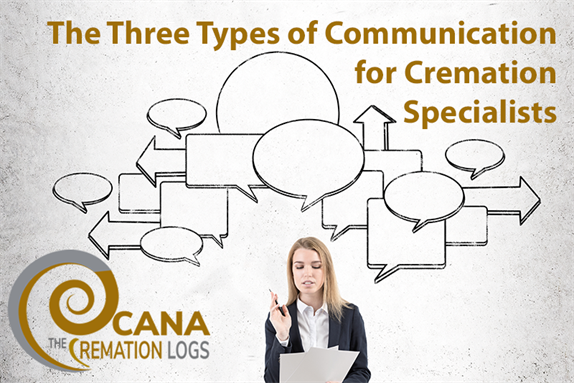 Imagine you’re at CANA’s 105th Convention in Washington, D.C., listening to a session you’ve been looking forward to for months. The presenter is known for their excellent communication skills. How do you picture this scene? If we think about the three types of communication – verbal, nonverbal and written – then:
TIPS FOR EFFECTIVE COMMUNICATIONSo what are some key considerations when you’re working to improve your communication? Let’s look at the same types of communication again: VERBAL “HithankyouforcallingABCFuneralHomemynameisJames” Their first response to that greeting might be along the lines of, “…um?” – not an engaging start. When the ringing phone has interrupted something we’re doing, it can take a moment to shift gears. But you shouldn’t let your communications suffer for it. Pause and take a deep breath to ready yourself for the call. Adopt a warm tone and speak slowly and confidently to tell them you’re present and engaged. Your tone should match your message and make your first impression the right one. Not to brag, but I’ve often been confused for a pre-recorded message when I answer the phone. Sure, it means people often start pressing buttons in my ear, but I know they’re convinced of my professionalism! NONVERBAL Even if you’re not paying attention, your actions will communicate meaning. Be aware of your gestures, facial expressions, clothing and body language. Pair these nonverbal cues with your words to make your message and meaning clear. And even when you’re not actively communicating, your body can give the impression of attentiveness, interest and confidence. Try sitting up straight and keeping your body language open by uncrossing your arms and legs. Still need to be convinced? Get a little help from Friends: WRITTEN “Thnak you for meeting w/me today. I look foward to serving you famly.” Even if you had a productive meeting with the client-family, you could ruin your credibility if you sent a follow-up riddled with errors. Always re-read before sending, keep communications brief but clear, and have a plan before you start writing so you remember everything that needs to be included. MAKE A LANGUAGE CONNECTIONWithout thinking about it, funeral professionals might use jargon and euphemisms to be accurate and convey dignity and professionalism. Unfortunately, families often use different words, and this can lead to misunderstandings. When using verbal and written communication, take time to think about your phrasing and always use language the family is comfortable with. The difference between ashes and cremated remains is the most common example in cremation. While we use cremated remains to distinguish between chimney ash and the bone fragments following cremation – plus the emotional distinction between wood and a loved one – a family is less aware of what to expect. Not to mention operational terms like first call and casket can require additional clarification and sensitivity to what clients know about funeral service. We don’t need to correct their language or word choice. We should mirror their language and, as appropriate, respectfully share the professional term to describe what they can expect. practice makes perfect By using these three types of communication more effectively, you can become a more skilled communicator. Here’s a helpful checklist of questions to ask yourself:
This post is excerpted from CANA’s online and on-demand course on Communication Skills Fundamentals. This one-hour course gives practical examples of effective communication techniques, including authentic and empathetic communications and overcoming roadblocks. "My background in providing value and communicating value was reinforced in this course,” complimented Philip Flores of Cremation by Water LLC in Arlington Heights, Ill. about this course and the CANA-Certified Cremation Specialist program. “I can speak to it all day long with my staff, but having a professional association reinforce beliefs and communication styles reassures my support in this particular membership." Communication Skills Fundamentals can be taken anytime, or participants can register to become a CANA-Certified Cremation Specialist and take this course with seven others that are designed to take your skills to the next level.
|
The Cremation Logs Blog
Cremation experts share the latest news, trends, and creative advice for industry professionals. Register or log in to subscribe and stay engaged with all things cremation. Categories
All
Archives
July 2024
|

|


|


|
|

|

 RSS Feed